


NAT10 Gene Overview: A Low-Profile Multitasker
In the genomic symphony, NAT10 (N-acetyltransferase 10), a GNAT family member, plays key roles via protein and RNA acetyltransferase activities in mitosis, DNA damage response, autophagy, apoptosis, ribosome biogenesis, and RNA modification. It is associated with cancer, HGPS, systemic lupus erythematosus, pulmonary fibrosis, depression, and host–pathogen interactions.
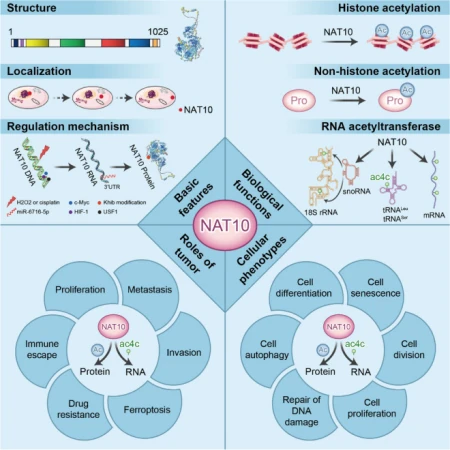
Function and Mechanism: A Fine-Tuning Master with Dual Operations
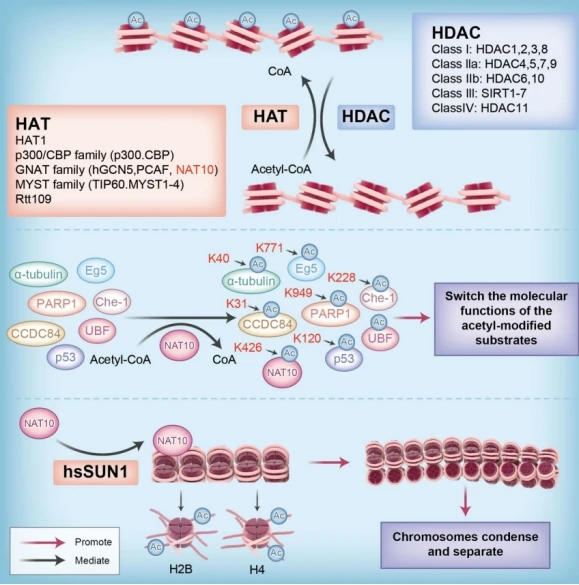
Protein Acetylation
Nε-acetylation is a common and reversible post-translational modification. NAT10 acetylates histones and non-histone proteins (e.g., tubulin, P53), impacting diverse physiological and pathological processes.
RNA Acetylation
N4-acetylcytidine (ac4C) is widespread across life. NAT10 is the only known ac4C “writer,” modifying tRNA, rRNA, and mRNA to regulate gene expression, critical in spermatogenesis, oocyte maturation, and mesenchymal stem cell osteogenesis.
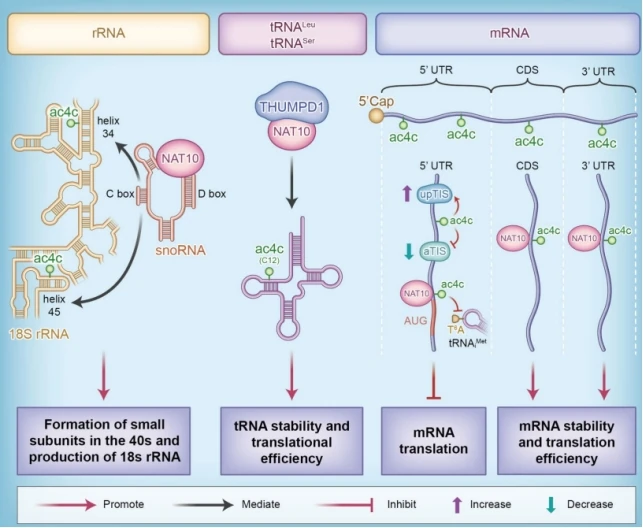
In short, NAT10 performs “chemical editing” to determine gene product abundance and lifespan, powerfully regulating cellular physiology.
The Relationship Between NAT10 and Disease: Good or Bad?
Cancer
By acetylating downstream targets, NAT10 influences EMT, cell cycle, and apoptosis, affecting proliferation, metastasis, invasion, and drug resistance; thus, it is a promising anti-cancer target.
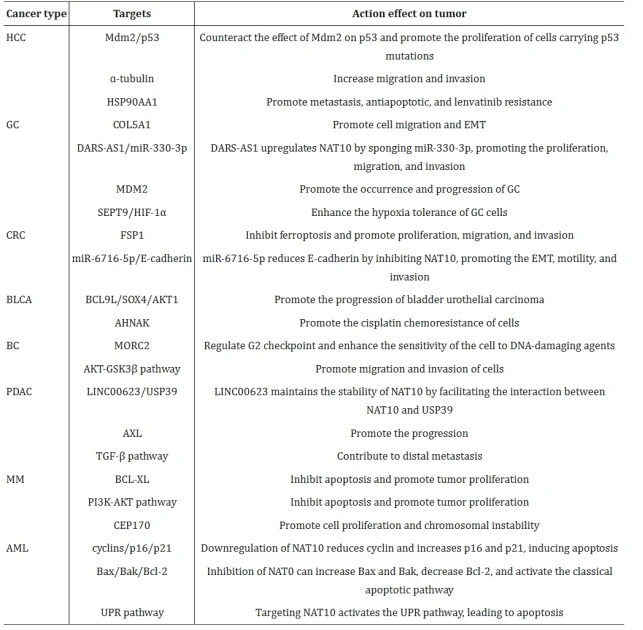
Progeria (HGPS)
HGPS cells accumulate toxic progerin that disrupts nuclear morphology, leading to DNA damage and senescence; inhibiting NAT10 activity significantly ameliorates HGPS cellular defects.
Fibrotic Diseases
In pulmonary fibrosis, PM2.5 exposure upregulates NAT10, enhancing ac4C modification and stability of TGFB1 mRNA to promote EMT and fibrosis.
Viral Infections
Viruses such as influenza A and HIV hijack NAT10’s ac4C function to stabilize viral mRNA and enhance translation; NAT10 inhibition is a potential antiviral strategy.
Future Potential: A Gold Mine to Be Excavated
- Targeted drug development: inhibitors targeting NAT10 for cancer, aging, and viruses.
- Diagnostic markers: tissue/blood NAT10 or ac4C levels as prognostic indicators.
- Mechanism exploration: continued unraveling of RNA modification regulation.
Gene-Edited Mice Aid Scientific Research
Cyagen provides standardized Nat10 gene-edited mouse models to support studies.
| Product Name | Product ID | Strain Name | Type |
|---|---|---|---|
| Nat10-KO Mouse | S-KO-15643 | C57BL/6JCya-Nat10em1/Cya | Nat10 Knockout |
| Nat10-KO Mouse | S-KO-16211 | C57BL/6NCya-Nat10em1/Cya | Nat10 Knockout |
| Nat10-flox Mouse | S-CKO-17344 | C57BL/6JCya-Nat10em1flox/Cya | Nat10 Conditional Knockout |
| Nat10-flox Mouse | S-CKO-17345 | C57BL/6NCya-Nat10em1flox/Cya | Nat10 Conditional Knockout |
Resources: Gene-edited mice, Nat10 models.
[Content Source and Disclaimer]
This page is for research reference only and does not constitute medical advice.


