


Introduction: Decoding the Coexistence of “Sugar” and “Fat”
November 14 is World Diabetes Day. In both clinics and laboratories, one observation stands out: obesity and type 2 diabetes (T2DM) often co-occur—the “Twin Epidemics.”
We move beyond appearances to explore shared mechanisms and show how the RDDC platform and its AI bioinformatics tools support systematic analysis.
Shared “Soil”: Insulin Resistance
What Is Insulin Resistance
Insulin acts like a key opening the cellular door for glucose. Increased adiposity—especially visceral fat—releases inflammatory factors that disrupt this interaction, leading to insulin resistance and hyperglycemia.
- Obesity is the major driver of insulin resistance
- Insulin resistance is central to T2DM pathogenesis
- Both are tightly linked via this pathway
Using RDDC to Identify Shared Genes
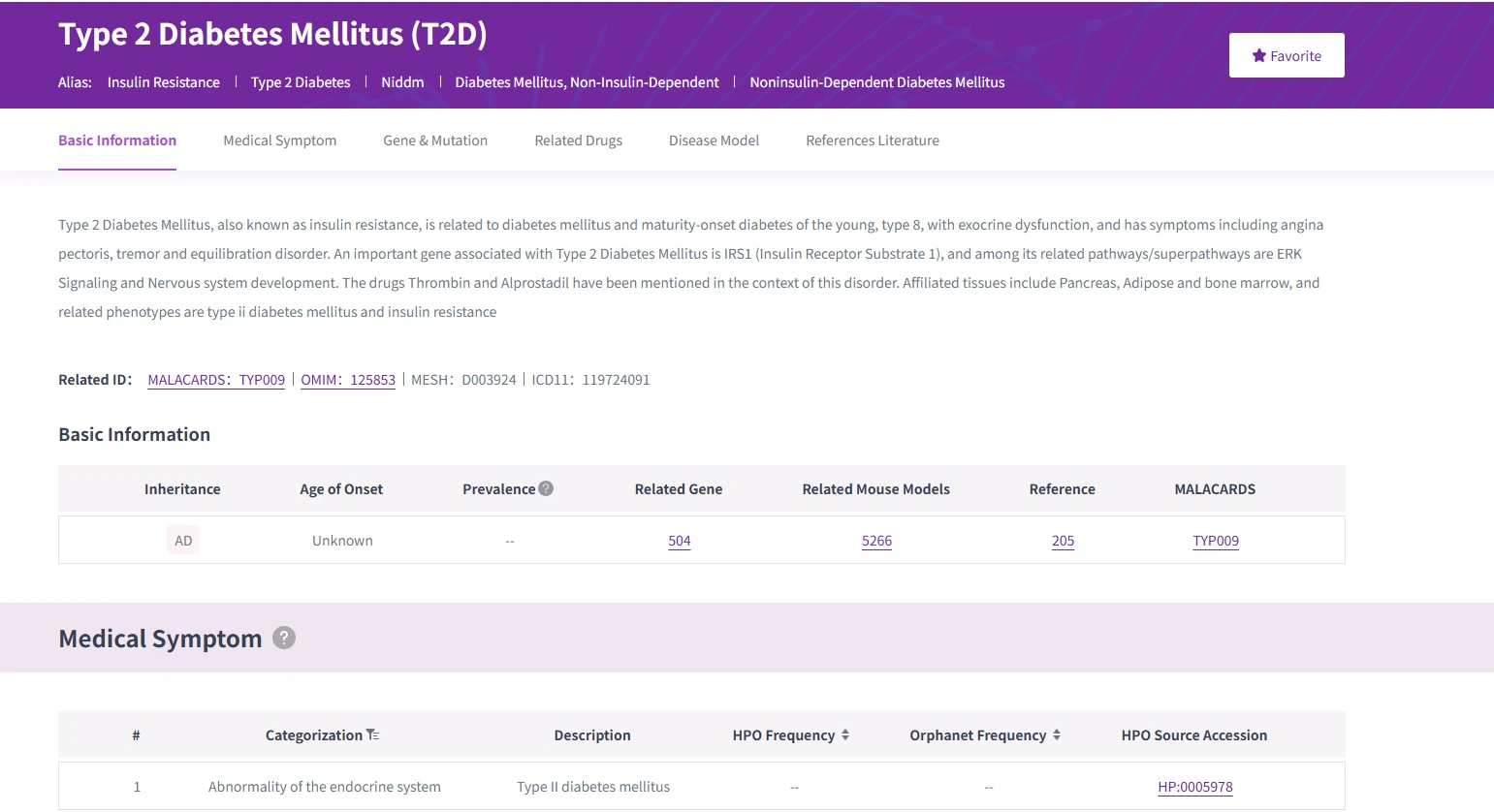
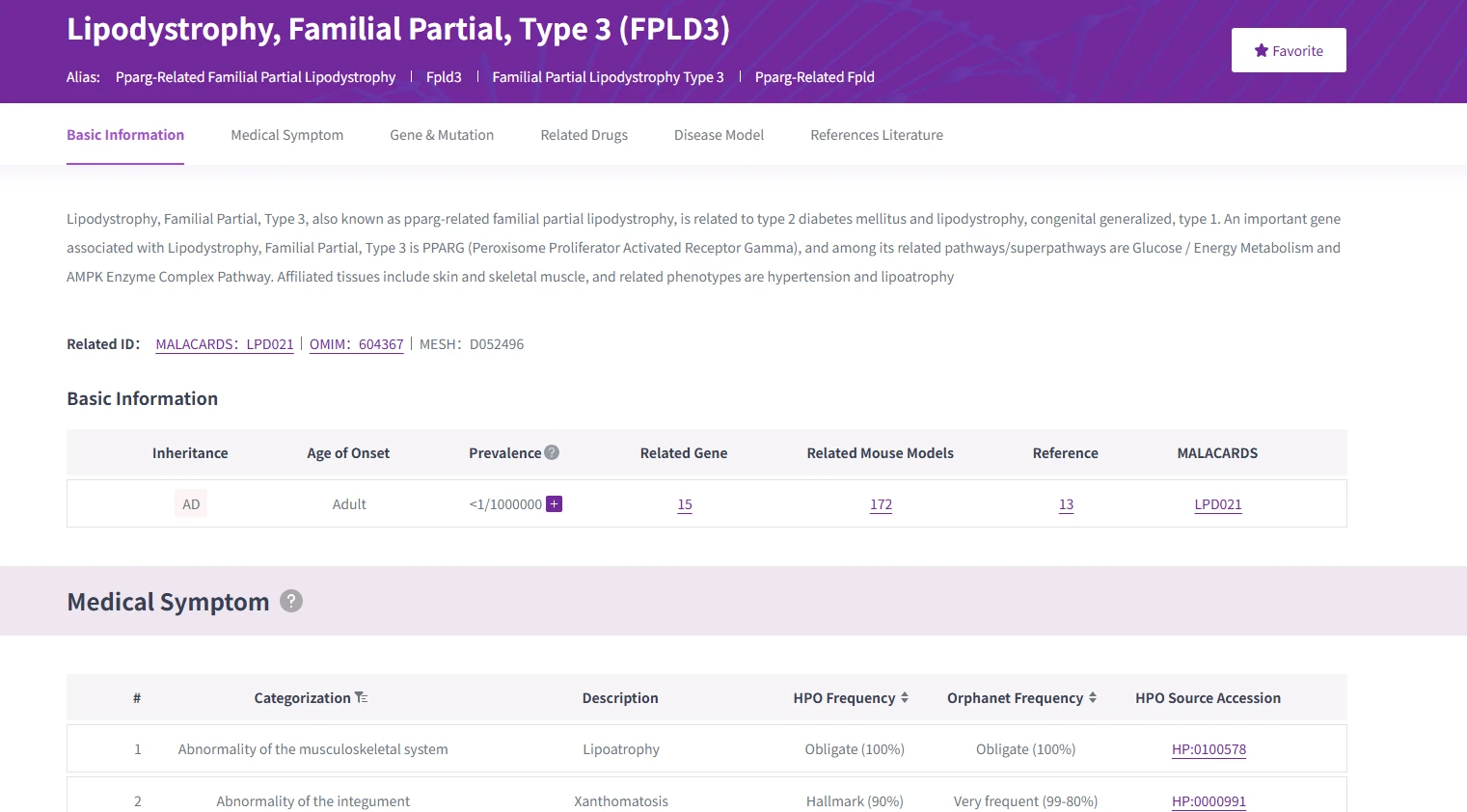
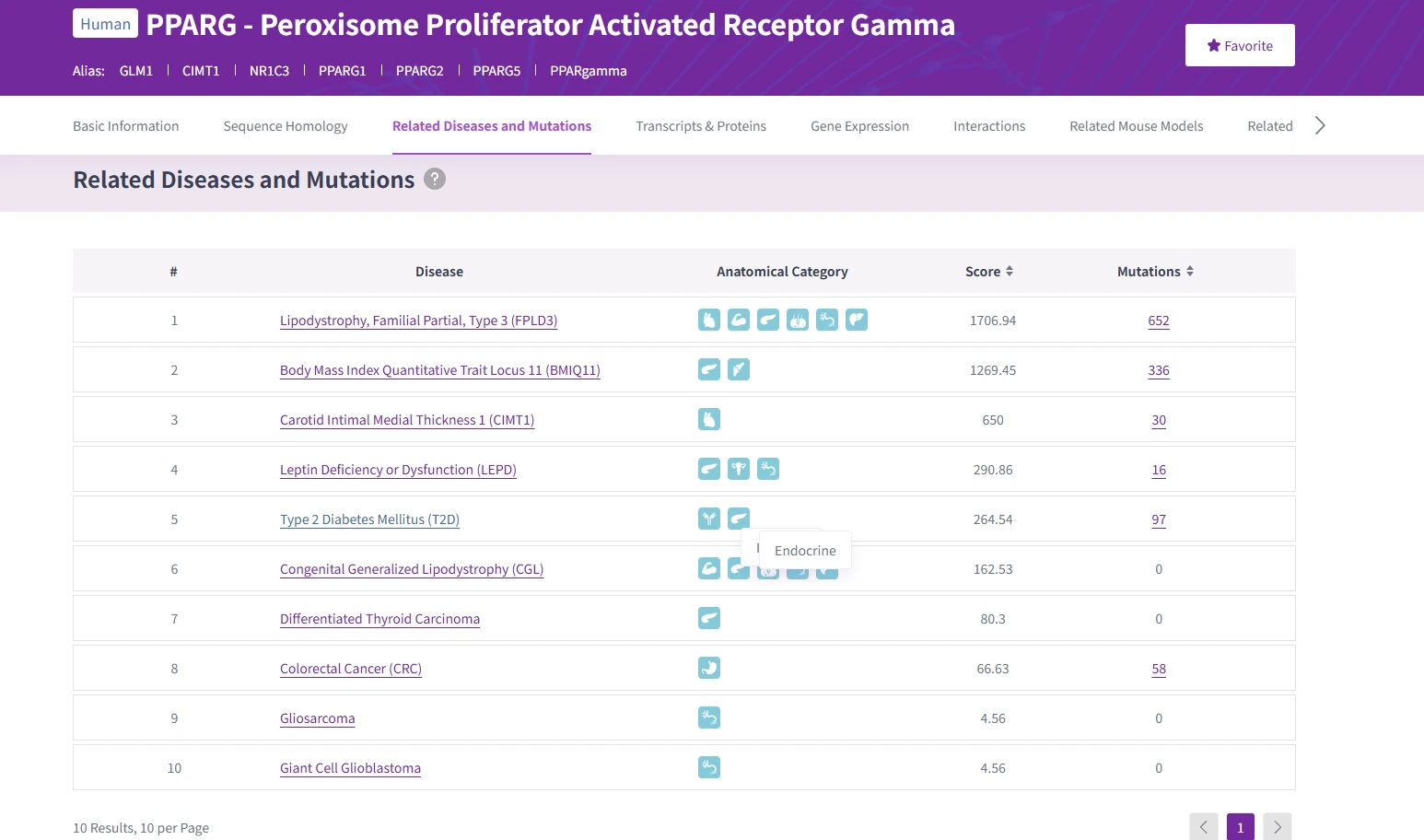
Traditionally, researchers curate diabetes-related genes (e.g., Lep, PPARG) and obesity-related genes (e.g., FTO, MC4R), then compare them.
On RDDC, visit the Disease Database to search “Diabetes Mellitus, Type 2” and “Obesity,” then use tools to intersect gene sets for a shared list.
Validating Mechanisms with Models
Research heavily relies on mouse models such as db/db and ob/ob, which exhibit severe obesity, insulin resistance, and hyperglycemia—classic for “obesity-induced diabetes.”
Use the Model Database to find suitable models and detailed phenotypes. Commercial access example: db/db mouse.

AI Tools to Illuminate Metabolic Pathways
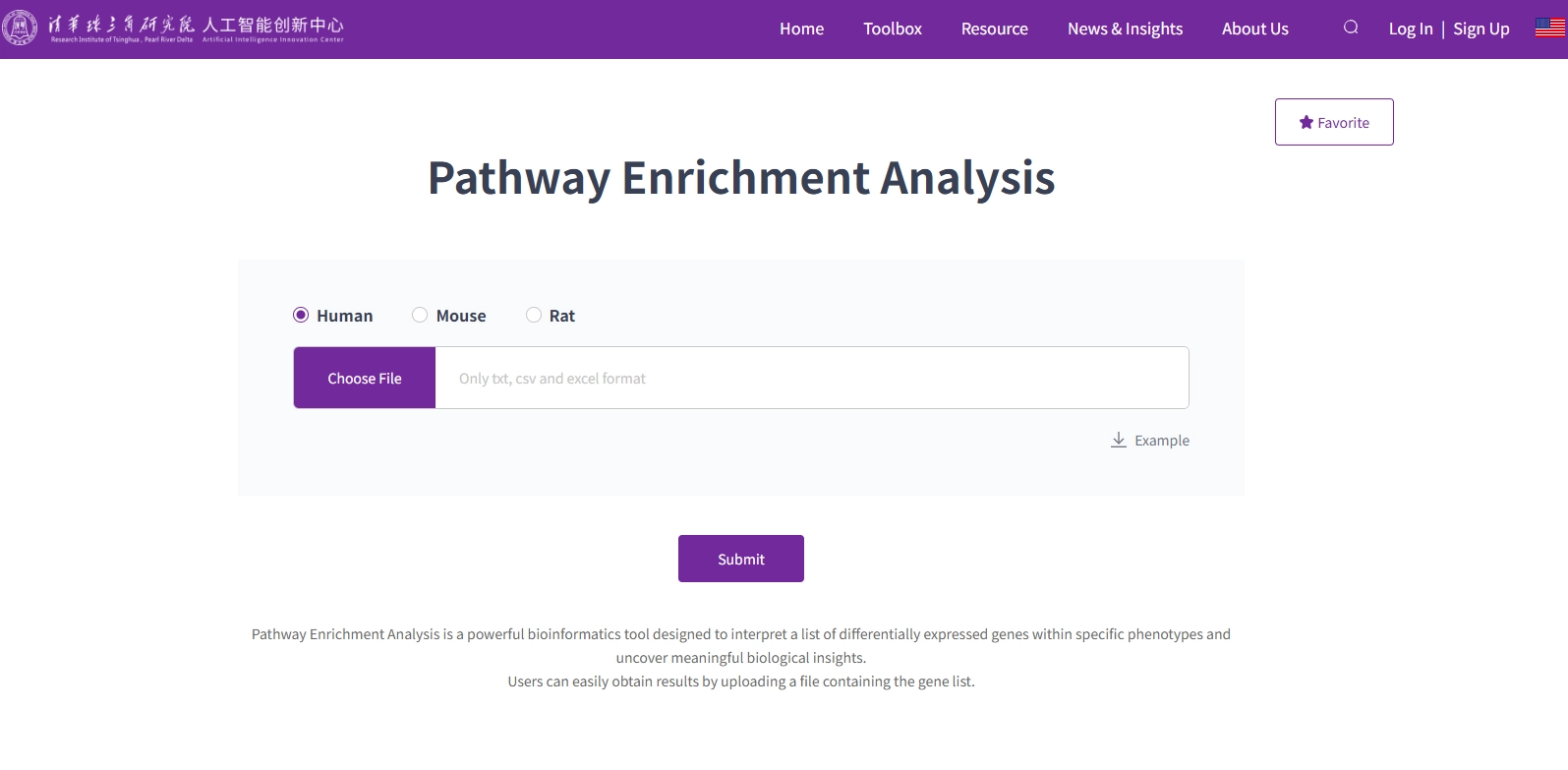
When large gene sets are obtained, the Pathway Enrichment Tool quickly reveals glucose/lipid metabolism pathways. RDDC offers 22 cutting-edge AI tools that elevate gene lists into insights.

Future Outlook: From Shared Mechanisms to Precision Therapies
If both share roots, efficient strategies may target common nodes. GLP-1 receptor agonists (e.g., semaglutide) began as glucose-lowering agents and later showed strong weight-loss effects—validating the paradigm.
Content Source and Disclaimer
This page is for research and educational reference only and does not constitute medical advice. Descriptions of databases and tools are illustrative; conclusions require rigorous experimental validation and peer review.


