


Hemophilia: An X-Linked Recessive Genetic Disorder
Hemophilia is a classic X-linked recessive inherited bleeding disorder, with its core etiology lying in the deficiency or dysfunction of specific coagulation factors. Based on the type of deficient coagulation factor, hemophilia is primarily divided into two major categories: Hemophilia A, caused by a deficiency of coagulation factor VIII (FVIII); and Hemophilia B, resulting from a deficiency of coagulation factor IX (FIX). Clinically, patients often present with uncontrollable bleeding, either spontaneously or after minor trauma, especially in joints, muscles, and deep tissues. Long-term recurrent bleeding not only leads to severe joint deformities and dysfunction but can also trigger life-threatening hemorrhages, posing a serious threat to the patient's quality of life and life expectancy.
Epidemiological Characteristics of Hemophilia in a Global and Chinese Context
According to the 2022 global survey report by the World Federation of Hemophilia (WFH), the prevalence of hemophilia shows significant regional variations worldwide. Although the prevalence in China (approximately 2-3 cases per 100,000 people) is lower than in many developed countries, its vast population base has made China the country with the largest number of hemophilia patients globally, with over 32,000 registered cases. However, this number likely underestimates the actual situation, as many patients with mild symptoms or those living in areas with limited medical resources may not be diagnosed and registered in a timely manner. Therefore, raising awareness of hemophilia among the public and medical professionals, and strengthening diagnostic and reporting systems, are crucial for a comprehensive understanding of the hemophilia burden in China.
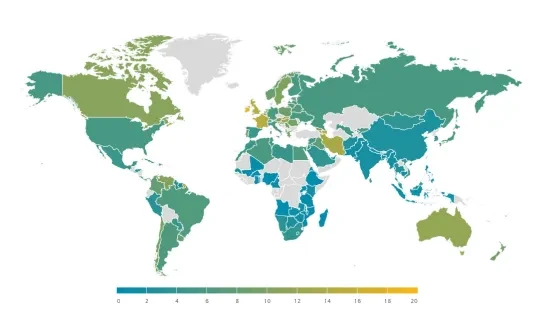
Figure 1. Prevalence of hemophilia per 100,000 people in 2022
The Molecular Genetic Basis of Hemophilia: The Key Roles of the F8 and F9 Genes
Modern molecular genetic research indicates that approximately 86% of hemophilia cases are caused by specific gene mutations. These mutations are primarily concentrated in two genes located on the X chromosome:
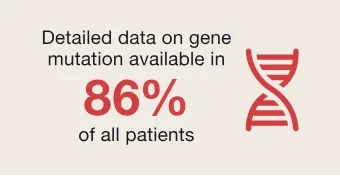
Figure 2. Correlation between hemophilia occurrence and gene mutations in recent years
- The F8 Gene and Hemophilia A: The F8 gene, located at the distal end of the long arm of the X chromosome (Xq28), is responsible for encoding coagulation factor VIII. The mutations in this gene are diverse, including gene inversions, large deletions, and point mutations. Data from the Rare Disease Data Center (RDDC) show that over 500 pathogenic mutations in the F8 gene associated with Hemophilia A have been identified. These mutations directly affect the synthesis and function of FVIII and are the root cause of Hemophilia A.
- The F9 Gene and Hemophilia B: The F9 gene is also located on the X chromosome (Xq26.3-27.2) and encodes coagulation factor IX. Similar to the F8 gene, mutations in the F9 gene can lead to impaired synthesis or defective function of the FIX protein, thereby causing Hemophilia B. The RDDC database has cataloged over 300 mutations in the F9 gene associated with Hemophilia B. In-depth research into these mutations provides a scientific basis for the precise diagnosis of hemophilia, carrier screening, and genetic counseling.
The Core Value of Animal Models in Hemophilia Research
Due to the high degree of genomic homology between humans and mice, mouse models have become an indispensable tool in hemophilia research. Through advanced gene-editing technologies, such as Cyagen's proprietary TurboKnockout-Pro technology, F8 or F9 gene-knockout mouse models can be created with high efficiency and precision. These models can effectively simulate the bleeding phenotype of human hemophilia, such as spontaneous joint bleeding and prolonged bleeding time after trauma. Using these animal models, researchers can delve into the pathogenesis of hemophilia and conduct preclinical evaluations of the efficacy and safety of novel therapeutic approaches, such as gene therapy and antibody drugs, greatly accelerating the translation of research findings into clinical applications.
Gene Therapy: A Revolutionary Breakthrough in the Treatment of Hemophilia
For the past few decades, the standard treatment for hemophilia has been coagulation factor replacement therapy, which involves regular intravenous injections of concentrated coagulation factors. Although effective, this method has many drawbacks, such as the need for frequent injections, the potential for developing inhibitors, and high treatment costs. The advent of gene therapy has brought hope for a fundamental cure for hemophilia.
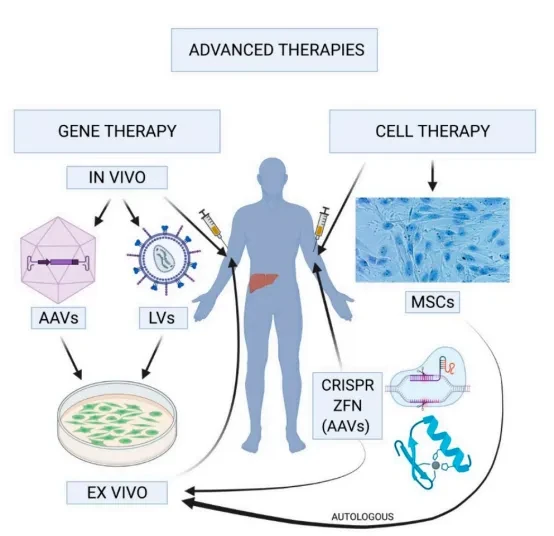
Figure 3. Principle of gene therapy for hemophilia
The core idea of gene therapy is to use specific viral vectors (such as adeno-associated virus, AAV, or lentivirus, LV) to introduce a normal F8 or F9 gene into specific cells in the patient's body (mainly liver cells), enabling them to express the functional coagulation factor in a long-term and stable manner. This "one-time treatment, lifelong benefit" model is expected to completely change the treatment landscape for hemophilia. Currently, several AAV gene therapies for Hemophilia B (e.g., Etranacogene dezaparvovec) have been approved for marketing worldwide. Clinical trial results show that after a single injection, the FIX levels in patients can be restored to near-normal levels, significantly reducing or even eliminating bleeding events. Significant progress has also been made in gene therapy research for Hemophilia A, with several drugs in late-stage clinical trials, heralding a new era in hemophilia treatment, led by gene therapy.
[Content Source and Disclaimer]
This article is based on publicly available scientific literature and database information, intended to provide professional and accurate industry insights. The content is for research reference only and should not be used as a basis for clinical diagnosis or treatment.


