


Mettl3 Gene: Deciphering the "Master Director" of Life
In the grand blueprint of life sciences, genes are the foundation of everything. Among the many genes, Mettl3 acts like a "master director," precisely regulating every detail of life behind the scenes through an RNA modification called m6A. From reproductive development to disease onset, the presence of Mettl3 is ubiquitous, and its importance is increasingly prominent.
m6A Modification: The Key "Switch" in the RNA World
To understand Mettl3, one must first understand m6A modification. m6A (N6-methyladenosine) is one of the most common and abundant chemical modifications on eukaryotic mRNA. It acts like a molecular switch, influencing RNA splicing, translation, stability, and localization, thereby regulating gene expression. Mettl3 is the core catalytic subunit of the enzyme complex (METTL3-METTL14-WTAP) that catalyzes this key reaction. Without Mettl3, m6A modification cannot proceed normally, and the symphony of gene expression would fall into chaos.
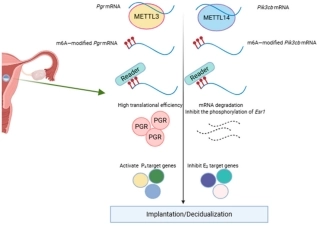
The Association of Mettl3 with Various Major Diseases
The dysfunction of Mettl3 signifies a disorder in m6A modification, which is closely related to the occurrence and development of various major diseases.
- Cancer: The expression level of Mettl3 is abnormal in various cancers. It can act as an oncogene to promote tumor growth, or in some cases, play the role of a tumor suppressor gene. For example, in bladder cancer, Mettl3 upregulates the expression of CDK2 through m6A modification, promoting cancer cell proliferation.
- Autoimmune Diseases: Mettl3 is crucial for maintaining the homeostasis of the immune system. Studies have found that the absence of Mettl3 may lead to T-cell overactivation, thereby triggering or exacerbating autoimmune diseases.
- Nervous System Diseases: From neuron development and differentiation to learning and memory, Mettl3 plays an indispensable role. Abnormal function of Mettl3 is related to the pathological processes of neurodegenerative diseases such as Alzheimer's disease and Parkinson's disease.
- Cardiovascular Diseases: Mettl3 plays an important role in heart development and disease by regulating the proliferation, apoptosis, and hypertrophy of cardiomyocytes. For example, Mettl3-mediated m6A modification has a protective effect in myocardial ischemia/reperfusion injury.
- Reproduction and Development: Mettl3 is key to maintaining the pluripotency and normal differentiation of embryonic stem cells. The absence of Mettl3 leads to embryonic development arrest or even death, which directly explains why some people are "fertile" while others have difficulty conceiving.

Mettl3 Gene-Edited Mouse Models: A Powerful Tool for Disease Research
To further study the specific functions of Mettl3 in particular tissues or diseases, scientists have constructed various Gene-Edited Mouse Models. These models provide powerful tools for understanding the complex regulatory network of Mettl3 and developing new therapeutic strategies.
Cyagen's Related Mouse Models
| Product Name | Product No. | Strain Full Name | Type |
|---|---|---|---|
| Mettl3-KO Mouse | S-KO-10775 | C57BL/6NCya-Mettl3em1/Cya | Mettl3 Knockout |
| Mettl3-KO Mouse | S-KO-10776 | C57BL/6NCya-Mettl3em2/Cya | Mettl3 Knockout |
| Mettl3-flox Mouse | S-CKO-12035 | C57BL/6NCya-Mettl3em1flox/Cya | Mettl3 Conditional Knockout |
| Mettl3-flox Mouse | S-CKO-12036 | C57BL/6JCya-Mettl3em1flox/Cya | Mettl3 Conditional Knockout |
These models, especially the conditional knockout mice (Mettl3em1flox), allow researchers to knock out the Mettl3 gene at specific times and in specific tissues, thereby precisely analyzing its role in different physiological and pathological processes. For example, by specifically knocking out Mettl3 in the nervous system, its exact role in neurodevelopment and disease can be studied.
Summary and Outlook
As the core catalytic enzyme of m6A modification, Mettl3 is an indispensable "master director" in life activities. By regulating the fate of RNA, it profoundly affects all aspects from embryonic development to the maintenance of adult homeostasis. In-depth research on the function of Mettl3 and its regulatory mechanisms not only helps us uncover more mysteries of life but also provides new therapeutic targets and strategies for major challenges such as cancer, autoimmune diseases, and nervous system diseases. In the future, as research continues to deepen, this "master director" will surely shine even brighter in the fields of life sciences and medicine.
Content Source and Disclaimer
The content of this article has been compiled and edited based on public information and scientific literature. Any research, views, or information mentioned in this article are for reference only and should not be considered as medical advice or a basis for diagnosis. For any health or disease-related issues, please consult a professional healthcare provider.


